Smart Savings for 45+ Latin America

Practical home cleaning tips using everyday items for people aged 45 and above in Latin America.

Soda Tricks to Remove Bathroom Stains

Keeping your bathroom clean and spotless can sometimes feel like a daunting task, especially when it comes to stubborn stains on tiles and fixtures. Luckily, there is a simple and affordable solution that many people overlook: common soda. Yes, the fizzy drink you enjoy can also be a powerful cleaning agent in your bathroom!
clean bathroom

Soda, especially colas, contain mild acids such as phosphoric and carbonic acid that break down grime, soap scum, and rust stains effectively. Let’s explore some handy soda tricks to help you maintain a shiny and hygienic bathroom with minimal effort.

1. Removing Bathroom Tile Stains

Bathroom tiles often accumulate soap scum and hard water stains, which dull their appearance. Pour a can of cola directly onto the stained area and let it sit for about 15-20 minutes. The acidity works to loosen the buildup. After soaking, scrub the tiles with a brush or sponge and rinse with warm water. The stains should lift easily, leaving your tiles gleaming.

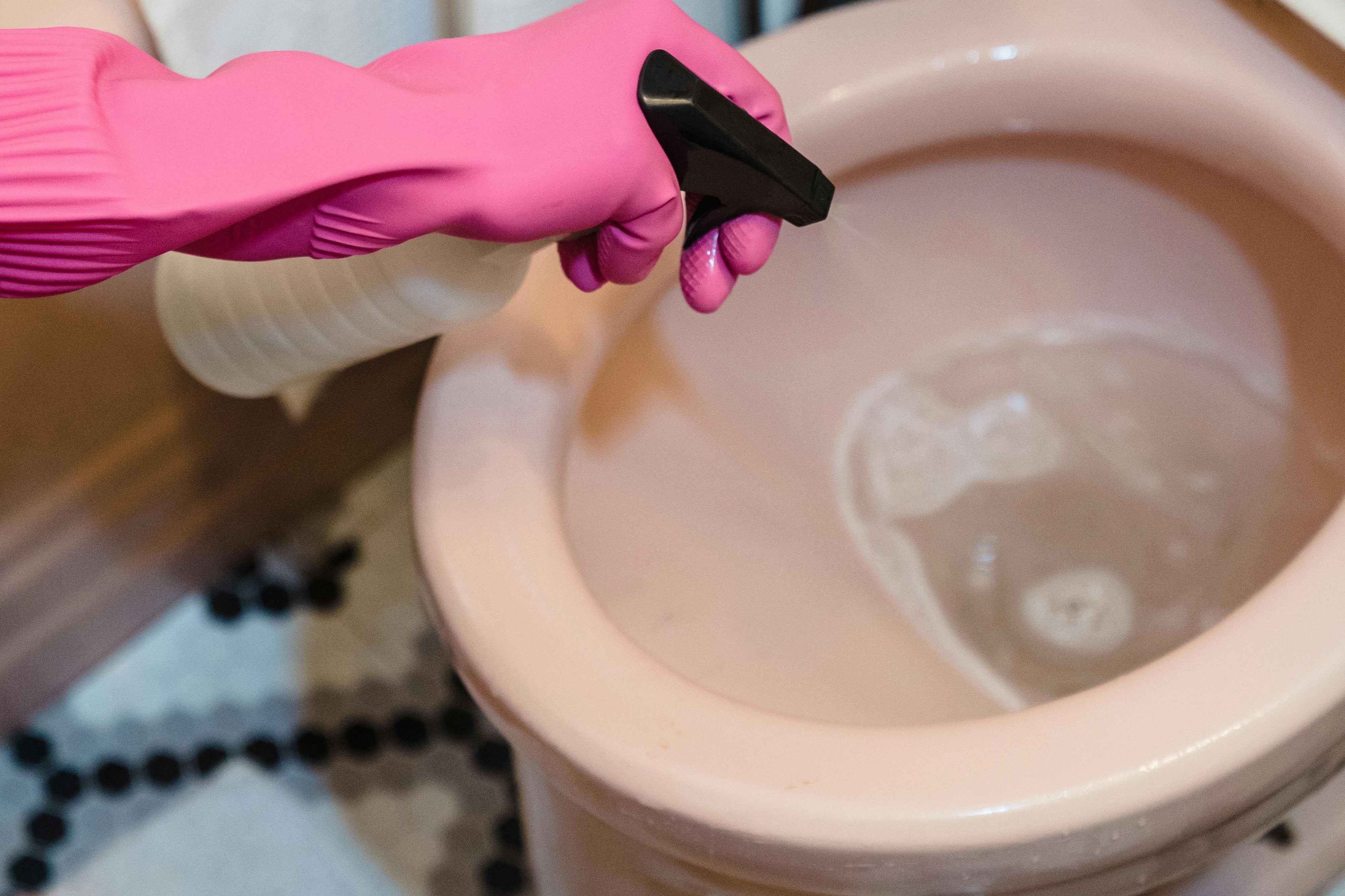
2. Cleaning Toilet Bowls

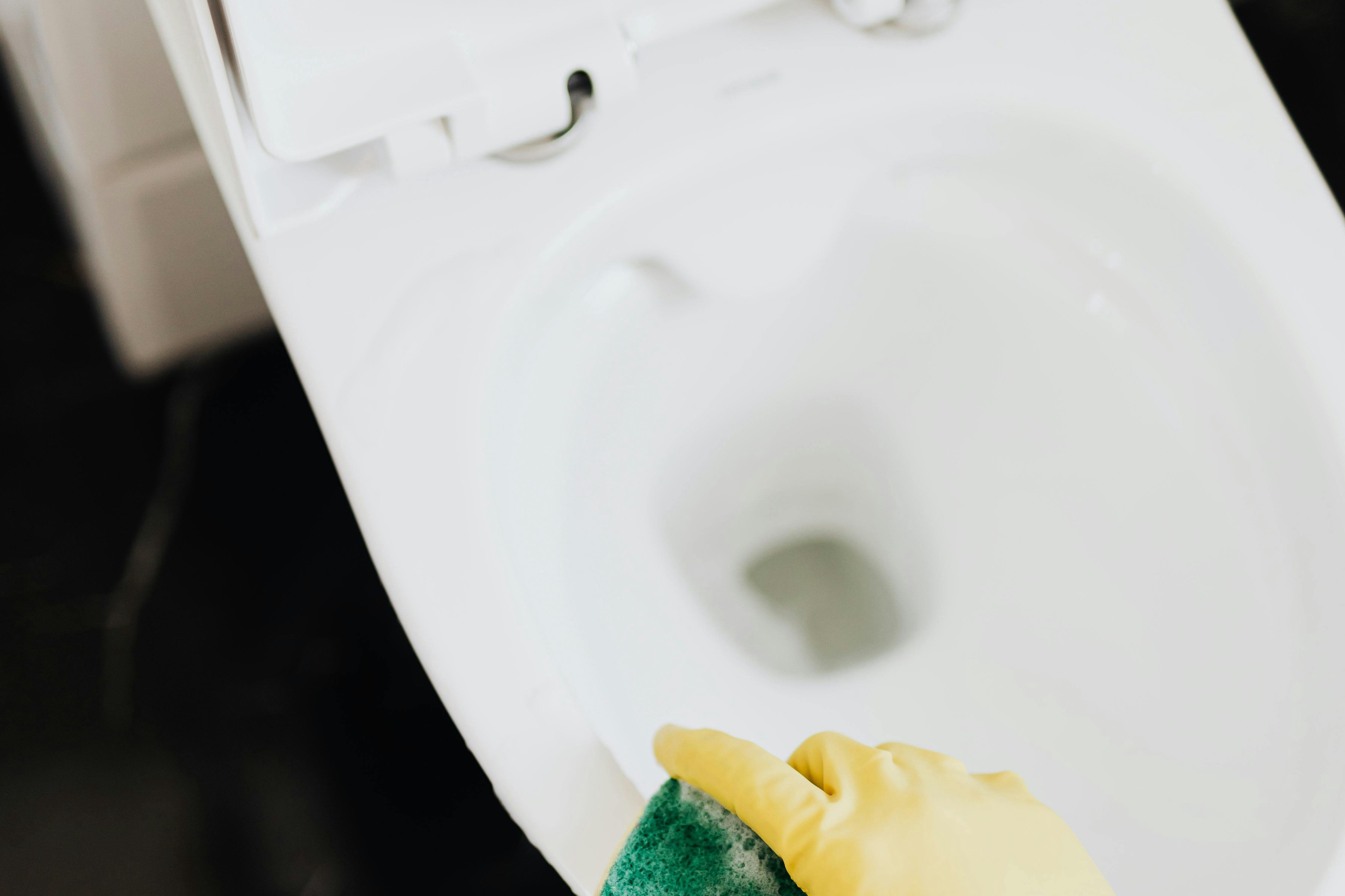
To clean tough stains inside your toilet bowl, pour a can of soda around the rim and into the water. Allow it to sit for at least 30 minutes or overnight if possible. Then scrub with a toilet brush and flush. The soda will help dissolve mineral deposits and discoloration without harsh chemicals.

3. Breaking Down Rust Stains

Rust stains on bathroom fixtures like taps and sinks are notoriously difficult to remove. Dabbing a cloth soaked in cola onto the rusty spot can help break down the iron oxide causing the stain. Let it sit for 10-15 minutes before wiping and rinsing thoroughly. Repeat if necessary for stubborn rust.

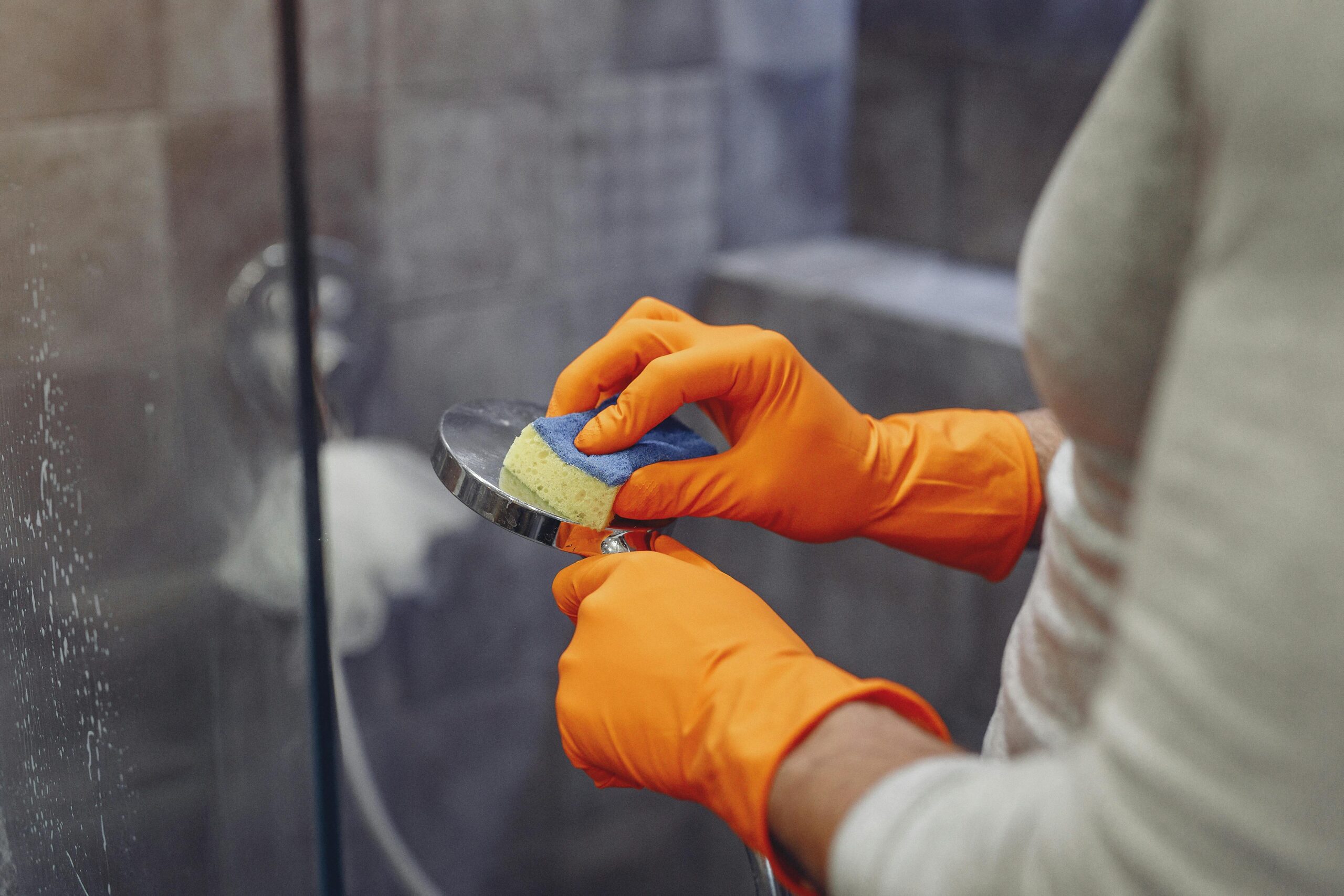
4. Brightening Shower Heads

Mineral deposits can clog shower heads leading to poor water flow. Fill a plastic bag with cola and submerge the shower head in it, securing the bag with an elastic band. Leave it for an hour, then remove and rinse. The soda’s acids help dissolve buildup, restoring optimal water pressure.

Tips for Best Results

  • Use regular cola or similar sodas; diet versions lack the acids needed for cleaning.
  • Always rinse thoroughly with water after using soda on surfaces to remove sticky residues.
  • Test soda on a small inconspicuous area first to ensure it doesn’t damage the surface.

Using soda as a cleaning agent is an environmentally friendly and economical way to tackle tough bathroom stains. By incorporating these soda tricks into your cleaning routine, you can keep your bathroom tiles and fixtures spotless without relying on harsh chemicals.

Give these soda hacks a try and enjoy a sparkling clean bathroom with ease!
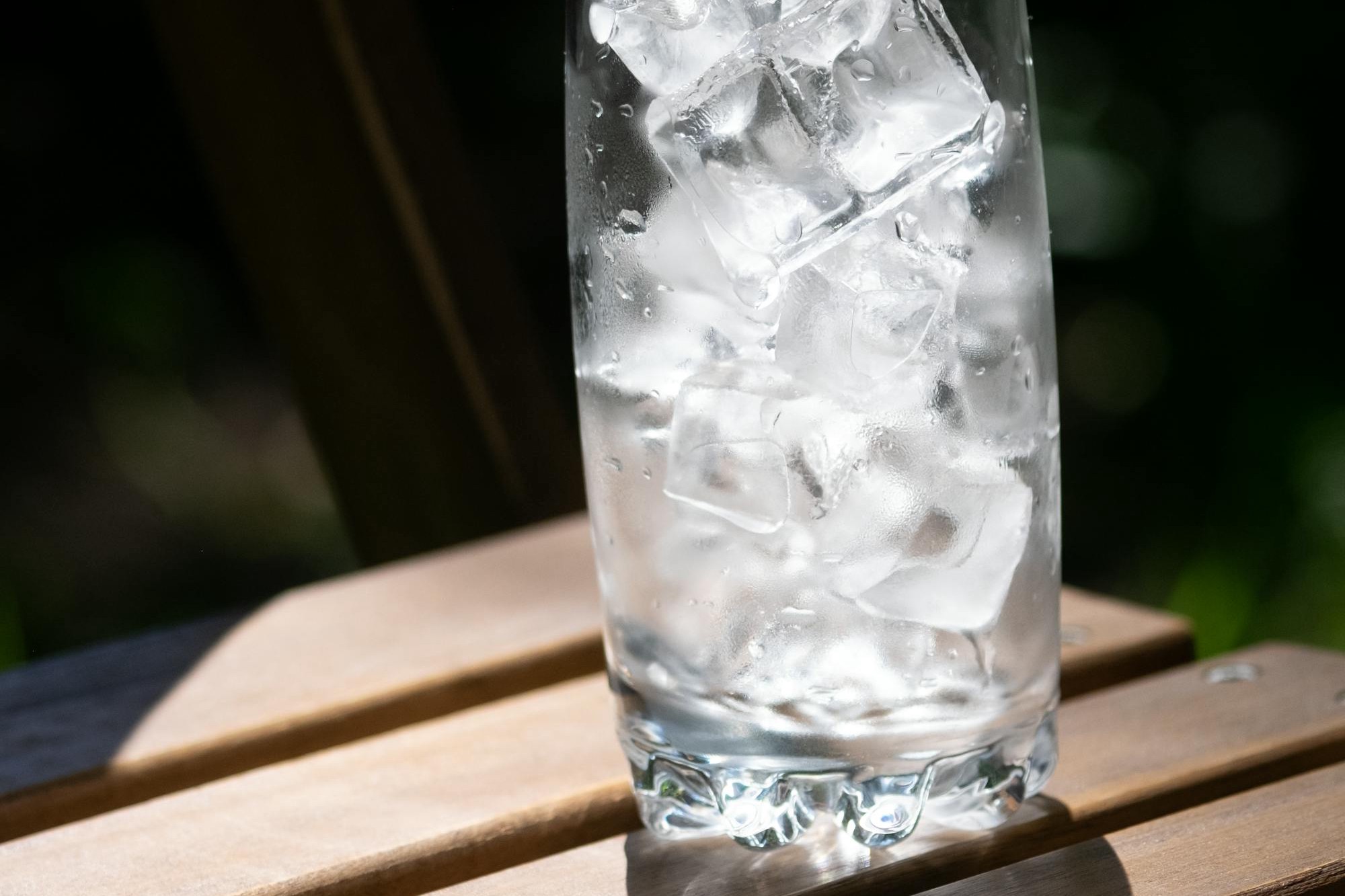
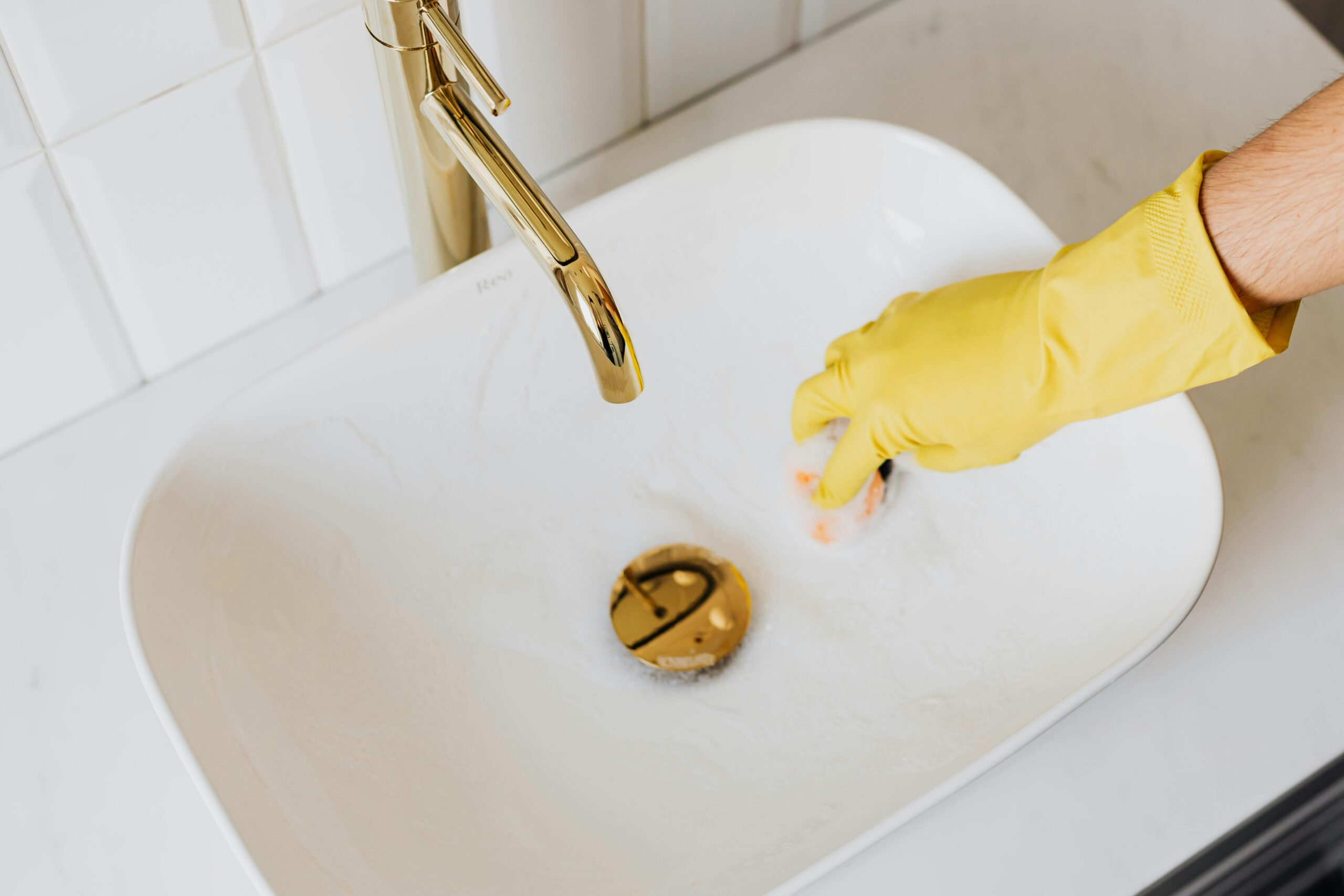
Ice Cubes for Drain Maintenance: An Economical and Effective Solution

Maintaining clean and odor-free drains is a common household challenge. Over time, drains can accumulate grease, soap scum, hair, and other debris that clog pipes and produce unpleasant smells. While there are many commercial drain cleaning products available, they can be costly and often contain harsh chemicals that might damage plumbing or harm the environment.

Interestingly, a simple and affordable household item — ice cubes — can help keep your drains in good shape. If you’ve never thought about using ice cubes for drain maintenance, this post will explain how this easy trick works and how you can implement it regularly for a fresher kitchen sink or bathroom drain.

Why Use Ice Cubes for Drains?

Ice cubes primarily work by mechanically scrubbing and hardening the greasy buildup inside the pipes. When you flush ice cubes with cold water down your drain, the cold temperature solidifies any fatty substances lining the pipes. As the hard ice moves through the drain with force, it helps knock off and break up grease and gunk.

This process causes the loosened residues to flow more easily through the plumbing system, reducing blockages and odors. Besides grease removal, the abrasive action of ice cubes can also help dislodge small particles like food scraps or hair that cling to the pipe walls.

How to Use Ice Cubes for Drain Cleaning

Using ice cubes for drain maintenance is quite simple:

  1. Gather Ice Cubes: Use about 2-3 cups of ice cubes, which you can make from water.
  2. Pour Down the Drain: Slowly pour or dump the ice cubes down your drain.
  3. Run Cold Water: Keep the tap running cold water at full force as the ice cubes move down the drain. The water pressure helps push the ice through the pipes to scrape residue.
  4. Repeat Regularly: For best results, perform this maintenance once a week or every two weeks depending on how frequently you use the drain.

Benefits of Using Ice Cubes

  • Eco-friendly: Ice cubes do not involve chemicals, making this method safe for septic systems and environmentally friendly.
  • Cost-Effective: Since ice cubes are just frozen water, this method does not require any extra investment if you have an ice tray or ice maker at home.
  • Prevents Drain Odors: Regular use helps minimize greasy buildup that can cause unpleasant smells in sinks and bathrooms.
  • Reduces Clogs: Keeps your plumbing flowing freely and reduces the need for costly plumbing services.

ice cubes drain

Additional Tips for Drain Care

Apart from using ice cubes, you can enhance your drain’s cleanliness by occasionally flushing it with baking soda and vinegar to fight bacteria and dissolve buildup. Avoid pouring grease, coffee grounds, or large food particles into the drain to reduce the frequency of clogs.

In summary, ice cubes offer a surprisingly simple way to keep your drains clean and odor-free without chemicals or expense. Incorporate this maintenance trick into your regular cleaning routine to enjoy fresh-smelling drains and smooth plumbing flow all year round.

Cleaning Toilets with Lemon: Natural, Effective, and Economical

Keeping your toilet clean is essential for maintaining a fresh and hygienic bathroom. However, many commercial toilet cleaners rely on harsh chemicals that can be both expensive and harmful to the environment. Luckily, there is a simple, natural alternative that you might already have in your kitchen: lemon.

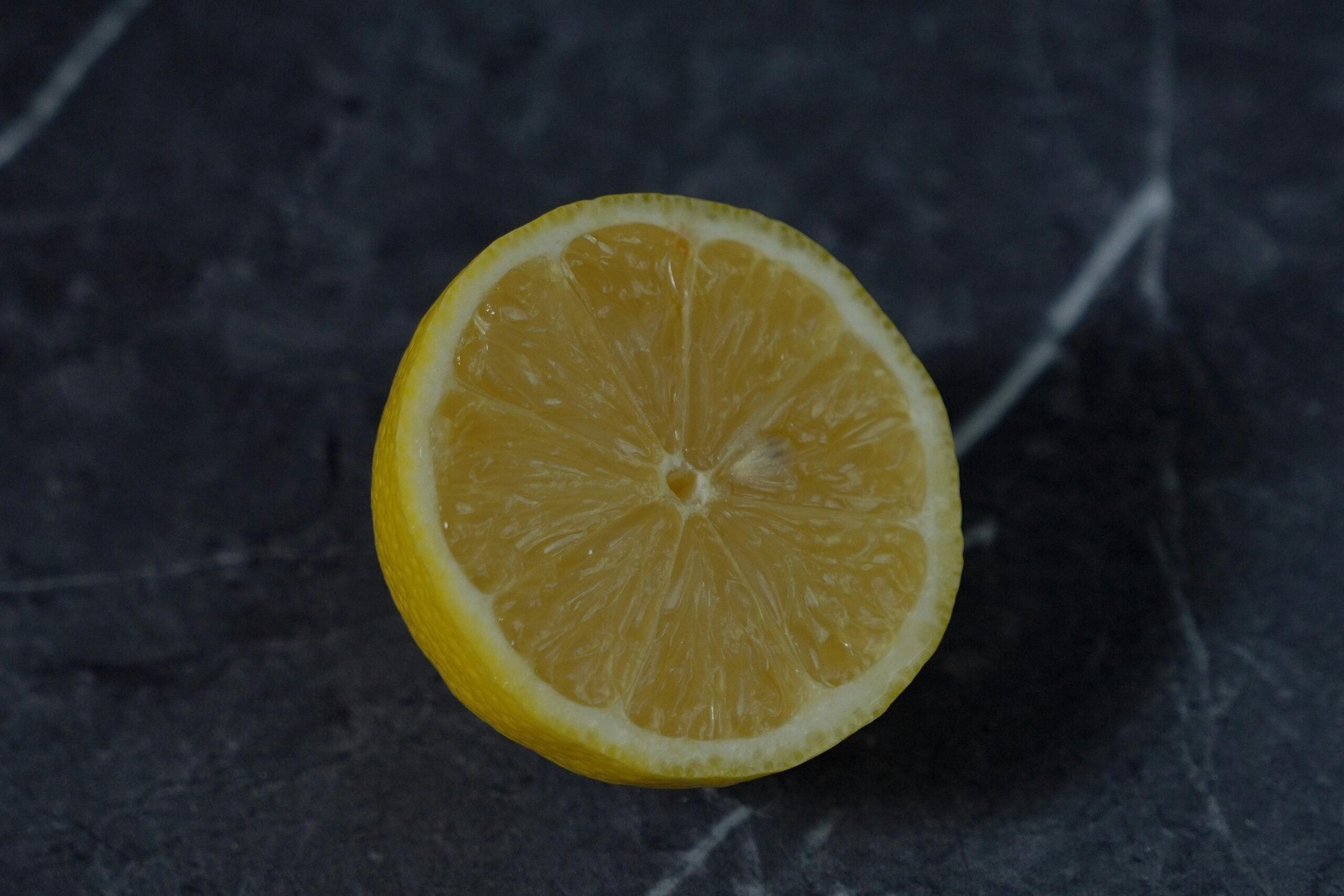
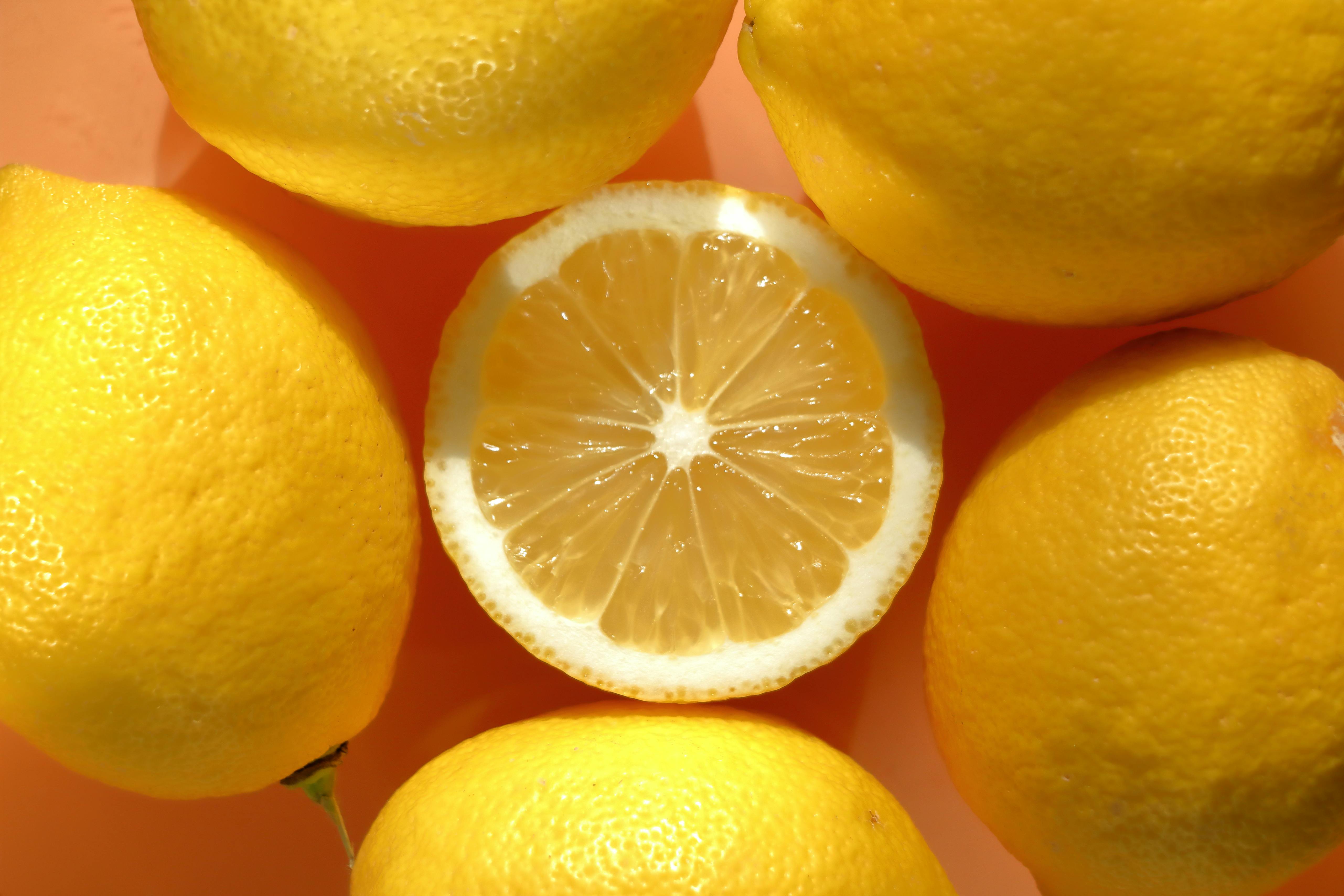
Lemon is a powerful natural cleaner thanks to its acidic nature, primarily from citric acid. This acid can help break down stains, eliminate odors, and disinfect surfaces — making lemon an excellent choice for cleaning your toilet bowl and surrounding areas.

Here’s how you can use lemon to clean your toilet effectively:

  • Gather your materials. You’ll need fresh lemons, a toilet brush, baking soda, and optionally some white vinegar.
  • Prepare the lemon. Cut a lemon in half. You can use it directly or squeeze out some juice into a bowl.
  • Apply lemon juice. Squeeze lemon juice generously around the bowl, focusing on areas with tough stains and discoloration.
  • Use baking soda. Sprinkle baking soda over the lemon juice. The combination will create a natural fizzing reaction that helps lift grime.
  • Scrub thoroughly. Use your toilet brush to scrub the bowl. The abrasive texture of baking soda combined with the acidity of lemon will tackle stains effectively.
  • For stubborn stains, apply lemon juice directly to the spot and let it sit for 10-15 minutes before scrubbing again.
  • Flush the toilet. Once cleaned, flush to rinse away residues.

Additionally, lemon’s fresh and invigorating scent helps eliminate unpleasant bathroom odors naturally. Because this method uses natural, food-based products, it’s safer for your family and pets while reducing your reliance on chemical cleaning supplies.

fresh lemon

Besides being eco-friendly and cost-effective, using lemon for cleaning reduces the buildup of harmful chemicals in your plumbing and groundwater, which is beneficial for the environment. It’s also easy to find lemons year-round at grocery stores, making this an accessible solution.

In conclusion, next time you want to freshen up your toilet without harsh chemicals or expensive cleaners, reach for the lemon. It’s a natural, versatile solution with powerful cleaning and deodorizing properties that your bathroom (and the planet) will thank you for.

Garlic: The Unexpected Bathroom Cleaner

When we think about garlic, our minds usually wander to delicious meals and flavorful dishes. However, garlic’s uses extend far beyond the kitchen. Did you know that garlic can serve as a natural and effective bathroom cleaner? This pungent bulb is packed with powerful compounds that not only fight bacteria but also help eliminate odors and maintain hygiene in your bathroom.

natural cleaner

Garlic contains allicin, a potent antimicrobial agent that has been scientifically proven to combat a wide variety of bacteria and fungi. This makes garlic a fantastic ingredient for tackling bathroom germs without resorting to harsh chemicals. Whether you’re dealing with grime in your sink, mold in your shower, or lingering odors in your trash bin, garlic offers an eco-friendly solution that benefits both your household and the environment.

To use garlic as a bathroom cleaner, you can start by crushing a few cloves and mixing them with water and vinegar to create a potent cleaning spray. Apply this natural cleaner to surfaces such as sinks, faucets, and tiles, allowing the mixture to sit for several minutes before scrubbing and rinsing. The antibacterial properties of garlic will help disinfect the area, while the vinegar will aid in cutting through mineral deposits and soap scum.

Another great way to utilize garlic in your bathroom routine is by placing peeled cloves near trash bins or drains. The natural smell of garlic works as a deodorizer, neutralizing unpleasant odors commonly found in bathrooms. Additionally, the antibacterial effects can reduce the buildup of odor-causing bacteria, keeping your bathroom fresher for longer.

Integrating garlic into your cleaning routine also presents health benefits. Unlike commercial cleaners that often contain strong chemicals, garlic is non-toxic and safe to use around children and pets. Furthermore, garlic’s natural properties mean it is biodegradable, reducing your ecological footprint and contributing to a greener lifestyle.

Of course, the distinct garlic smell might initially seem strong for a bathroom setting, but it dissipates quickly and is well worth the benefit of a naturally sanitized space. You can also combine garlic with lemon or essential oils to refresh the aroma if desired.

In conclusion, garlic is an unexpected yet powerful ally in maintaining bathroom cleanliness. Its antimicrobial, deodorizing, and environmentally friendly characteristics make it a practical alternative to synthetic cleaners. The next time you plan to tidy up your bathroom, consider reaching for garlic—you might be surprised by its effectiveness!

Using Dishwasher Tabs for Sparkling Sinks

Keeping your kitchen sink spotless can sometimes feel like a daunting task, especially when trying to avoid harsh chemical cleaners or expensive products. Fortunately, an easy and cost-effective solution might already be sitting in your kitchen cabinet: dishwasher tabs. Yes, those same tabs you use to clean your dishes can be incredibly effective in making your sinks shine.

Dishwasher tabs are designed to break down grease, remove grime, and eliminate food residues on your dishes, and these properties work similarly well on kitchen sinks. Most tabs contain a combination of surfactants, enzymes, and mild abrasives that can penetrate stubborn stains and buildup without damaging the sink’s surface.

sparkling sink

How to Use Dishwasher Tabs to Clean Your Sink:

  1. Remove any debris. Before you start, ensure your sink is free from leftover food particles or debris.
  2. Dissolve a dishwasher tab in warm water. Fill the sink with warm water and drop in one dishwasher tab. Allow it to dissolve completely.
  3. Soak the sink. Let the sink soak for 15 to 30 minutes. This allows the enzymes and surfactants in the tab to work on loosening buildup and stains.
  4. Scrub gently. Use a soft sponge or cloth to scrub the sink surface. You’ll notice grime coming off easily.
  5. Rinse thoroughly. Finally, rinse the sink with clean water, leaving it sparkling and fresh.

One of the major benefits of using dishwasher tabs is their convenience and affordability. If you already stock them for dishwashing, there’s no need to purchase separate, specialized sink cleaners. Additionally, these tabs are often formulated to be environmentally friendlier compared to some chemical cleaners, so it’s a greener choice too.

However, it’s important to test this method on a small, inconspicuous area first, especially if you have a delicate sink material like natural stone or copper. Some tabs may contain ingredients that are too abrasive for certain surfaces, so proceed with caution.

In conclusion, dishwasher tabs are a versatile cleaning tool that can simplify your kitchen maintenance routine. By repurposing these tabs, you not only save money but also reduce clutter under your sink. The next time your sink looks dull or grimy, reach for a dishwasher tab—you might be surprised how effectively it restores that gleam!

Cost Savings with Natural Bathroom Cleaners

In today’s world, finding ways to save money without sacrificing quality is essential, especially when it comes to household maintenance. Bathroom cleaning is a routine task that many tend to overlook in terms of cost efficiency. However, switching to natural bathroom cleaners not only benefits your wallet but also promotes a healthier home environment. This article explores how ingredients like lemon and baking soda can significantly reduce your cleaning expenses while providing effective results.

natural cleaning

Commercial bathroom cleaning products can be surprisingly expensive. Many brands charge a premium for what are essentially chemical mixtures that might carry health risks or cause environmental harm. On the other hand, natural cleaners made from commonly available ingredients such as lemon, baking soda, vinegar, and essential oils can be made quickly and cheaply at home. For example, lemons are natural disinfectants because of their acidic nature, which helps break down soap scum and mineral deposits. Baking soda, a mild abrasive, effectively removes stains and odors without damaging bathroom surfaces.

Using natural cleaners not only cuts down on recurring costs but also reduces the need for multiple specialized products. Instead of buying separate cleaners for toilet bowls, sinks, and showers, you can create versatile solutions tailored for all bathroom surfaces. For instance, a simple mixture of lemon juice and baking soda can clean tiles, deodorize drains, and eliminate mildew. Since these ingredients are often available in the kitchen pantry, you avoid the inconvenience and expense of multiple store trips.

Another advantage is the longer shelf life and multi-purpose nature of natural ingredients. Baking soda doesn’t spoil and can be used for various household chores beyond cleaning, such as deodorizing carpets or freshening laundry. Lemons can also be used for cooking or in beverages, so purchasing them serves a dual purpose. In contrast, once commercial cleaning products are opened, their effectiveness may diminish over time, potentially leading to wasted money if products are discarded unused.

Moreover, natural cleaning solutions are safer for both your family and the environment. Many commercial cleaners contain harsh chemicals that may cause skin irritation, respiratory issues, or contribute to indoor air pollution. Cleaning with lemon and soda reduces exposure to toxins, making the bathroom a healthier place for everyone. This can indirectly save money by reducing medical costs and improving overall well-being.

In conclusion, incorporating natural ingredients like lemon and baking soda in your bathroom cleaning routine is an economical, effective, and eco-friendly choice. These ingredients help reduce expenses related to cleaning supplies, minimize waste, and promote a safer home environment. By embracing simple, natural alternatives, you not only save money but also contribute positively to your health and the planet.

Daily Cleaning Routine for Bathrooms 45+

Maintaining a clean and fresh bathroom is important for hygiene and comfort, especially as we age. For individuals over 45, establishing a simple daily cleaning routine can help keep bathroom spaces spotless without requiring exhausting or time-consuming efforts. Using common household items, this schedule makes daily bathroom upkeep manageable and effective.

bathroom cleaning

Why a Daily Routine Matters
Bathrooms are prone to germs, mold, and soap scum build-up. Daily cleaning prevents grime accumulation, reduces allergens, and maintains a pleasant environment. For those over 45, it also helps avoid strenuous deep cleaning sessions and supports overall health by minimizing bacteria and mildew.

Essential Household Items You’ll Need
Before starting, gather these basic items you likely already have at home:
– White vinegar (a natural disinfectant)
– Baking soda (a gentle abrasive)
– Mild dish soap
– Microfiber cloths or soft sponges
– Spray bottle with water
– Toilet brush
– Rubber gloves to protect your hands

Step-by-Step Daily Bathroom Cleaning Schedule
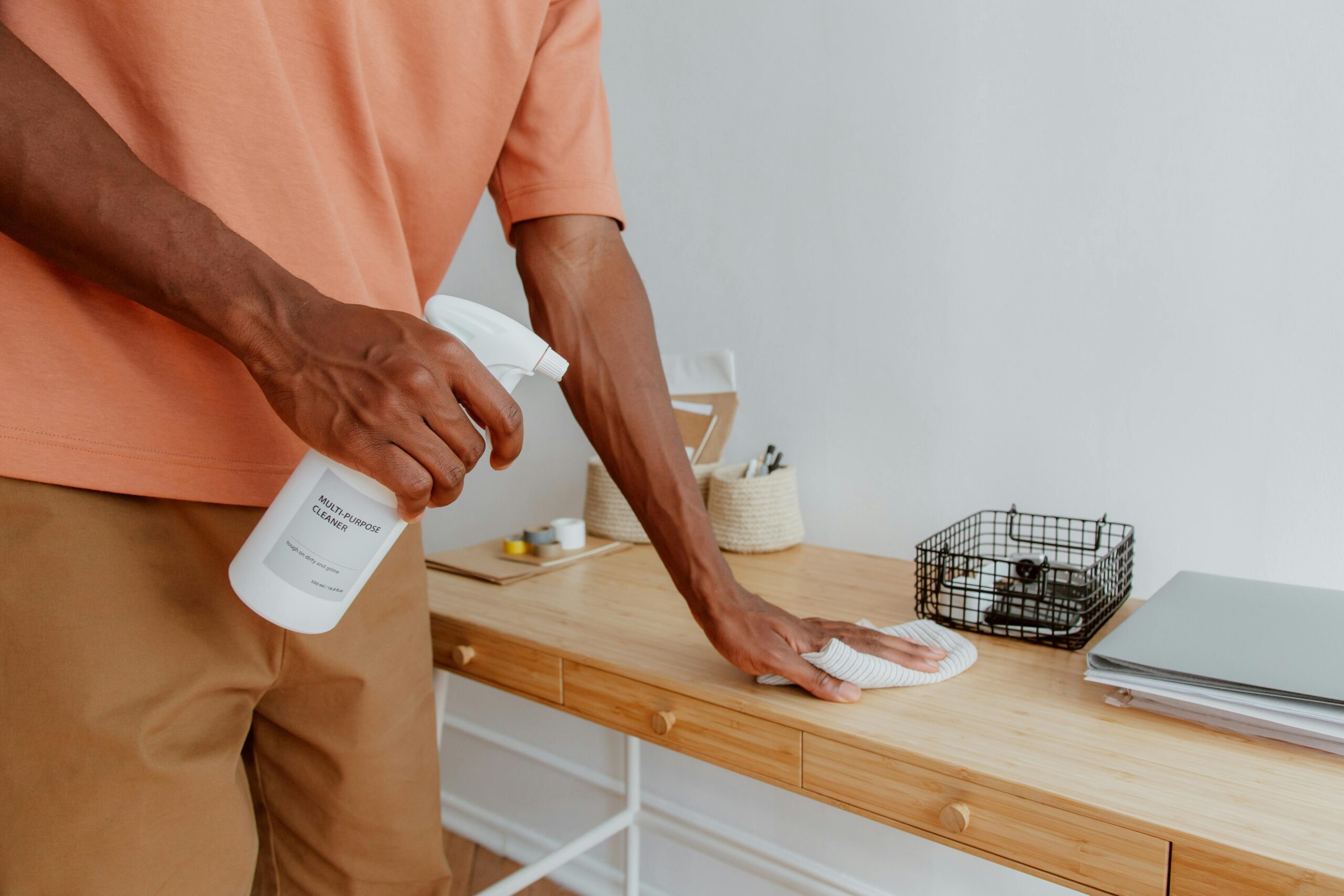
1. Wipe Down Surfaces: After using the sink or counter, spray a mixture of water and a few drops of dish soap on surfaces. Wipe with a microfiber cloth to remove toothpaste, soap residue, and splashes. This quick wipe keeps countertops hygienic and looking fresh.

2. Clean the Mirror: Spritz water or a vinegar-water solution on the mirror and wipe with a clean microfiber cloth. This prevents streaks and spotting while making your mirror sparkle.

3. Freshen the Toilet: After each use or at the end of the day, give the toilet bowl a quick brush with your toilet brush. For a deeper clean a couple of times a week, sprinkle baking soda inside the bowl and then pour white vinegar. Let it fizz for 10 minutes before scrubbing.

4. Tackle the Shower or Tub: Use a microfiber cloth or sponge to rinse off visible soap scum from shower walls and tubs. For an everyday clean, a vinegar and water spray can break down mild residue. Consider using a squeegee or towel to dry surfaces to prevent mildew.

5. Floor and Trash: Quickly sweep or mop the bathroom floor every few days. Empty the trash daily to avoid odors and germs.

Additional Tips for Ease and Consistency
Keeping cleaning supplies handy in the bathroom or an easily accessible nearby cabinet saves time and encourages sticking to your routine. Wearing gloves protects your skin from irritation. Integrating this routine into your morning or evening ritual builds a habit that feels effortless over time.

A clean bathroom fosters a relaxing atmosphere and supports well-being. With just a few minutes of daily attention and simple household items, you can maintain a fresh and spotless bathroom at any age.

Eco-Friendly Cleaning Tips for Seniors in Latin America

As more seniors in Latin America embrace sustainable living, eco-friendly cleaning has become an essential practice. Transitioning to environmentally safe cleaning methods is not only beneficial for the planet but also promotes healthier indoor air quality and safer living environments.

Many traditional cleaning products contain harsh chemicals that can irritate the skin, eyes, and respiratory system, especially for older adults who may have increased sensitivities. Fortunately, there are practical, simple ways to keep your home clean without compromising your health or the environment.

eco cleaning

One of the easiest approaches to eco-friendly cleaning is to harness natural ingredients readily available in Latin America. For instance, vinegar, lemon, baking soda, and olive oil are versatile, non-toxic options that can replace many commercial cleaning agents. Vinegar acts as a natural disinfectant and deodorizer, while lemon brings a fresh scent and removes stains. Baking soda is excellent for scrubbing and neutralizing odors, and olive oil can be used to polish wooden surfaces.

When preparing your cleaning solutions, always dilute vinegar or lemon juice with water to avoid damage to delicate surfaces. For example, mixing half a cup of vinegar with two cups of water makes a gentle all-purpose spray ideal for countertops, tiles, and glass. Adding a few drops of essential oils like eucalyptus or lavender can enhance the fragrance and provide additional antibacterial properties.

Another strategy is to minimize waste by using reusable cleaning cloths instead of disposable wipes or paper towels. Microfiber cloths are especially effective at capturing dust and dirt with just water, reducing the need for any cleaning products at all. Encourage careful laundering of these cloths to extend their lifespan and maintain hygiene.

In addition to ingredients and tools, proper ventilation while cleaning is crucial, particularly in homes located in urban areas where pollutants concentrate. Opening windows and doors allows fresh air to circulate, diluting indoor contaminants and preventing moisture buildup that can lead to mold.

Remember, safe cleaning also includes storing products securely out of reach of children and pets, and labeling homemade mixtures clearly. Seniors in Latin America can benefit greatly from community programs or online workshops that share eco-friendly cleaning tips, fostering a culture of sustainability and health awareness.

By adopting these environment-friendly cleaning habits, seniors can enjoy cleaner, safer homes while contributing to the preservation of Latin America’s rich natural heritage. This approach is a meaningful step toward a healthier lifestyle and a greener planet for generations to come.

Salt for Shining Bathroom Fixtures: Natural Cleaning Benefits

When it comes to maintaining a sparkling bathroom, many people overlook the powerful cleaning properties of a simple, common household ingredient: salt. Beyond its culinary uses, salt can be an excellent, natural way to polish and clean bathroom faucets and fixtures, helping them shine without harsh chemicals.

Bathroom fixtures, especially those made of chrome, stainless steel, or brass, tend to accumulate water spots, soap scum, and mineral deposits over time. These marks can dull the surfaces and make them look aged and neglected. Traditional cleaning often involves chemical cleaners filled with strong and sometimes harmful ingredients. However, salt offers a safe, inexpensive, and environmentally friendly alternative.

One of the key benefits of salt is its mildly abrasive texture. When used in combination with lemon juice or vinegar, salt acts as a gentle scrub that can remove stubborn buildup without scratching the surface. For example, sprinkling salt on a cut lemon and rubbing it over a faucet can lift stains and grime effectively. Afterward, simply rinsing with water and drying with a soft cloth will restore the shine.

Moreover, salt’s natural disinfectant qualities help reduce bacteria on bathroom fixtures. Its antibacterial properties improve hygiene, making your bathroom not only look cleaner but be healthier.

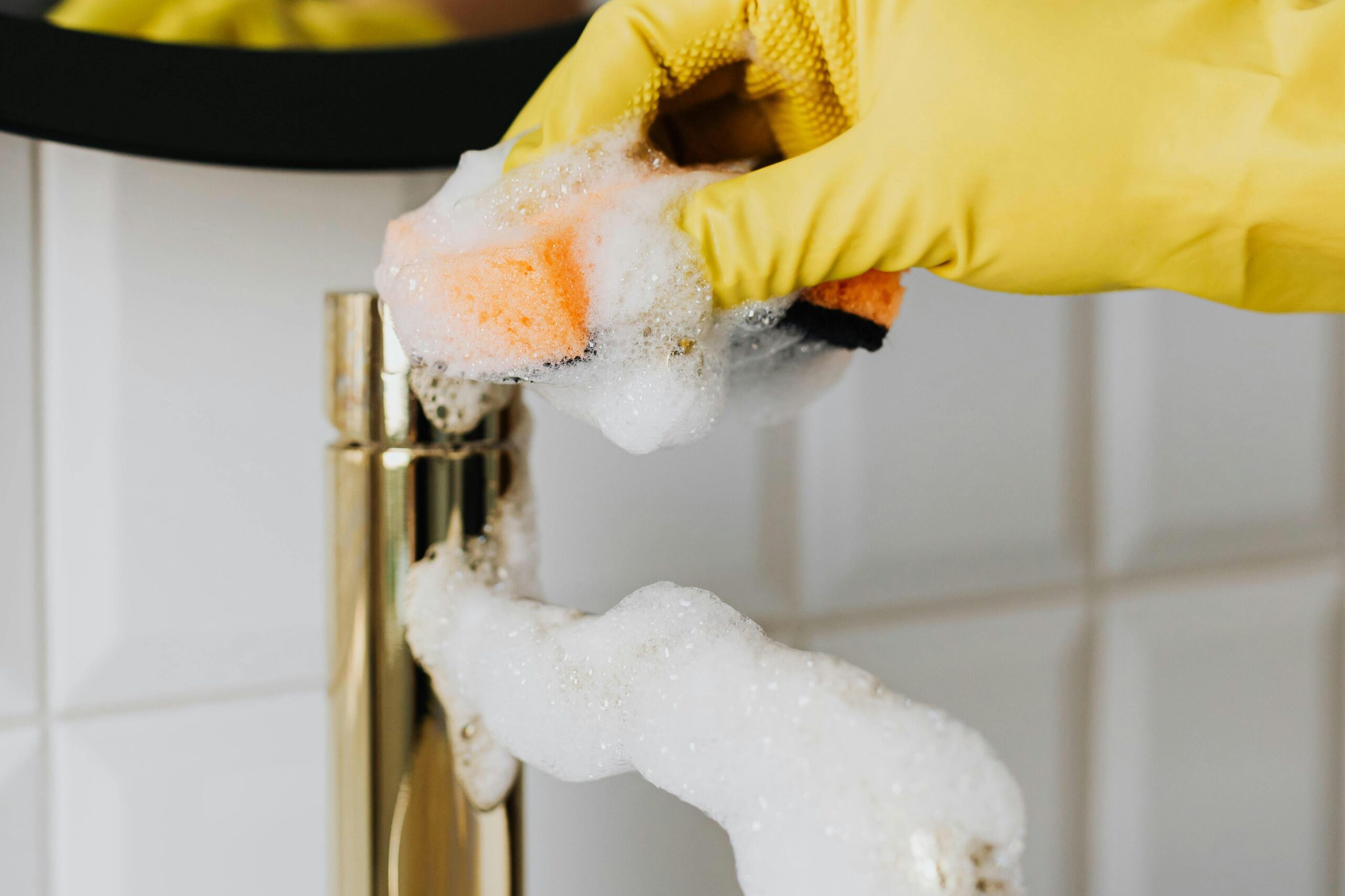
shiny faucet

To try this yourself, start by mixing coarse salt with a small amount of lemon juice or white vinegar to form a paste. Apply this mixture onto your bathroom fixtures with a soft cloth or sponge, gently rub for a few minutes, then rinse thoroughly and dry to avoid water spots. Regular use of this treatment can prolong the life of your fixtures while keeping them bright and fresh.

In summary, salt is a versatile natural cleaner that offers multiple benefits for bathroom maintenance: it polishes, disinfects, and removes tough stains without damaging surfaces. Using salt-based cleaning methods supports eco-friendly practices while achieving professional-looking results at home. Give it a try and enjoy gleaming bathroom fixtures with less effort and no toxic chemicals!

Contacts

+574576780645

+578110003135

[email protected]

Supermercado el Garces, 76A-04, Carrera 108, Garcés Navas, UPZs Localidad Engativá, Localidad Engativá, Bogota

Our Team

Michael Brown

Michael Brown

Marketing Director
Ava Davis

Ava Davis

Public Relations Manager
Harper Robinson

Harper Robinson

R&D Director